A New Frontier in Travel
Imagine soaring over the jagged peaks of the Andes Mountains, skimming the rim of an active volcano, or gliding silently above vast, open oceans—all while sitting comfortably in an air-conditioned cabin. This is not science fiction. It is the emerging reality of drone tourism.
Drone tourism represents a convergence of autonomous flight, immersive imaging, and personal mobility, redefining what it means to “travel.” Instead of physically trekking through harsh terrain or boarding long-haul expeditions, individuals will soon be able to access the most remote and dangerous locations on Earth through safe, controlled, and highly optimized aerial experiences.
The Experience: Travel Without Friction

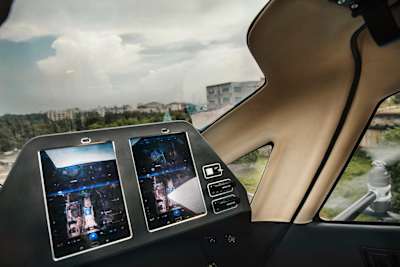
At its core, drone tourism removes the friction of traditional travel:
- No long treks, altitude sickness, or extreme weather exposure
- No logistical complexity of remote expeditions
- No need for physical endurance or specialized training
Instead, travelers enter a personal drone pod—a compact, climate-controlled cabin equipped with panoramic glass or immersive displays. With a pre-programmed route (or even AI-guided exploration), the drone navigates:
- Mountain ranges
- Active volcanic regions
- Dense jungles
- Polar ice caps
- Open ocean expanses
The result is a curated, cinematic experience of Earth’s most extreme environments—accessible to anyone.
Why Now? The Technology Convergence
Drone tourism is becoming viable due to several converging advancements:
1. Autonomous Flight Systems
AI-driven navigation systems now enable drones to safely traverse complex terrain with minimal human intervention. These systems continuously adjust for wind, obstacles, and environmental hazards.
2. Battery and Propulsion Advances
Next-generation batteries and hybrid propulsion systems are extending flight times and payload capacities—making passenger drones feasible.
3. Real-Time Environmental Mapping
LIDAR, satellite integration, and terrain mapping allow drones to “understand” and adapt to environments in real time.
4. Safety Redundancy
Multi-rotor designs, fail-safe landing protocols, and distributed control systems significantly reduce risk—often making drones safer than traditional helicopters in certain conditions.
The Destinations: Where Humans Struggle, Drones Thrive
The Andes and High Altitude Landscapes
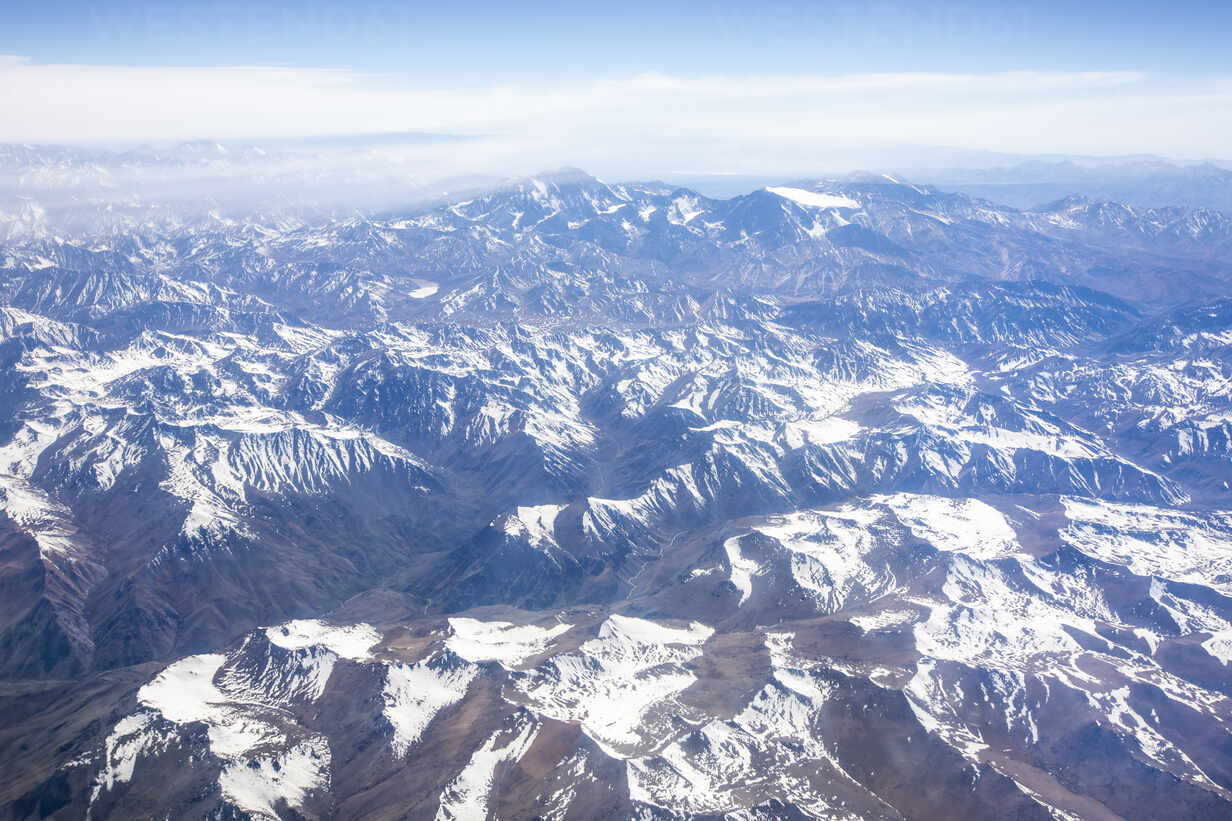
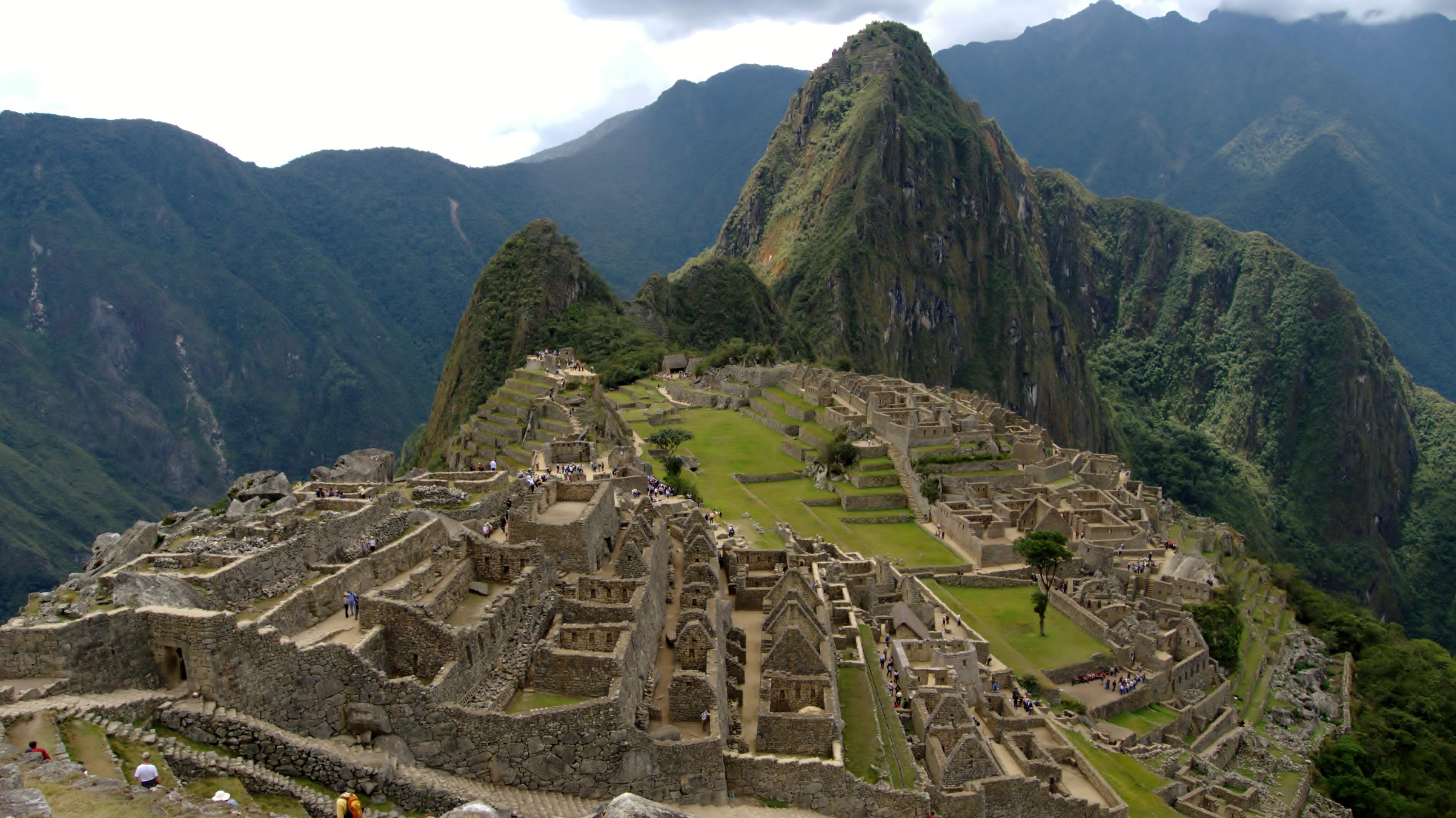


The Andes Mountains span thousands of miles and include some of the most breathtaking—and inaccessible—terrain on Earth. Traditional exploration requires acclimatization, physical endurance, and significant planning.
Drone tourism changes this dynamic:
- Glide above ancient ruins like Machu Picchu
- Traverse glacier fields and high-altitude lakes
- Experience sunrise at elevations that would normally take days to reach
Volcanoes: Beauty at the Edge of Danger
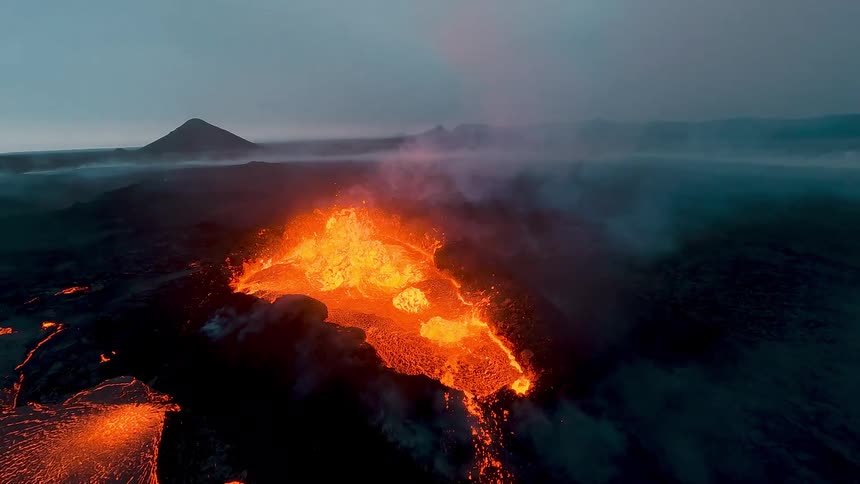
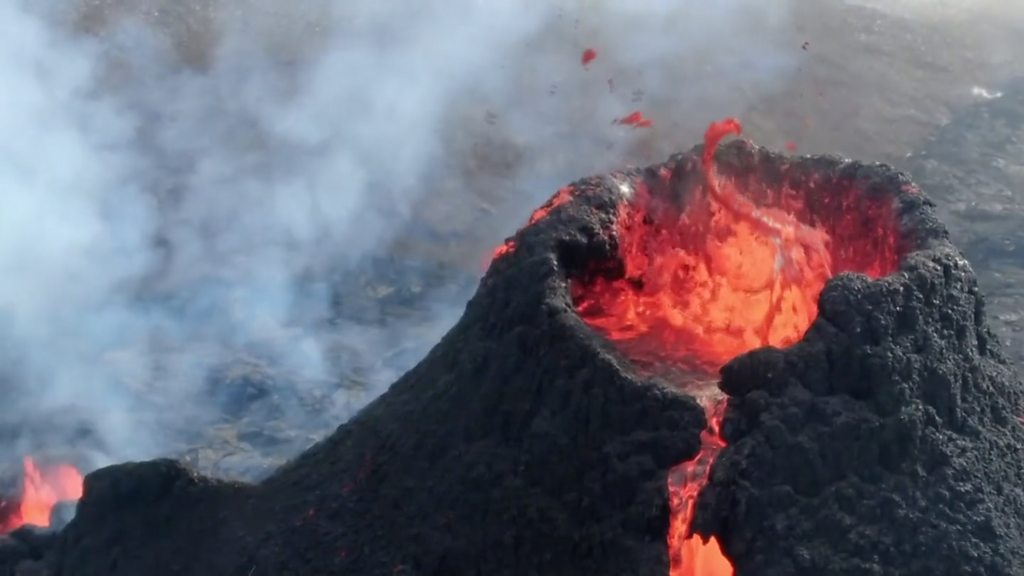
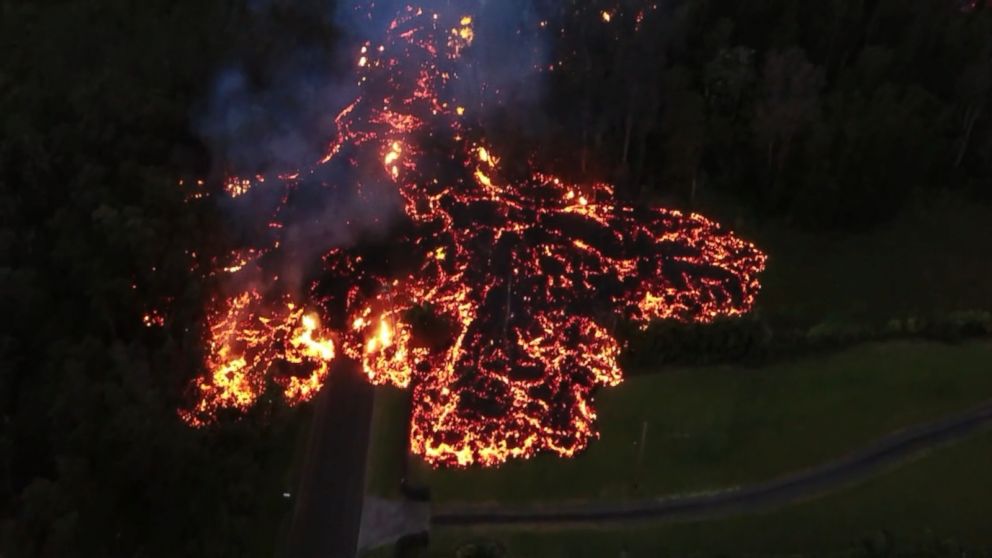
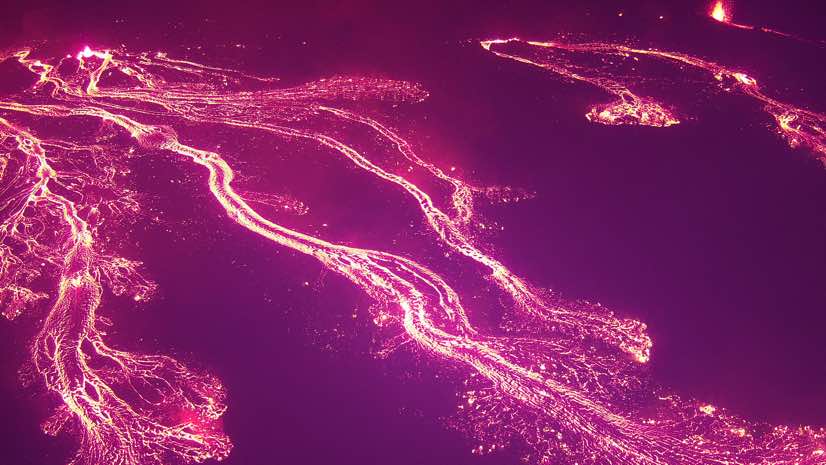
Volcano tourism today is limited by safety perimeters and unpredictability. With drone tourism:
- Visitors can safely approach active lava flows
- Hover above craters without risk
- Experience thermal landscapes in real time
Locations like Kīlauea or Mount Etna could become immersive aerial destinations.
Oceans: The Last Vast Frontier

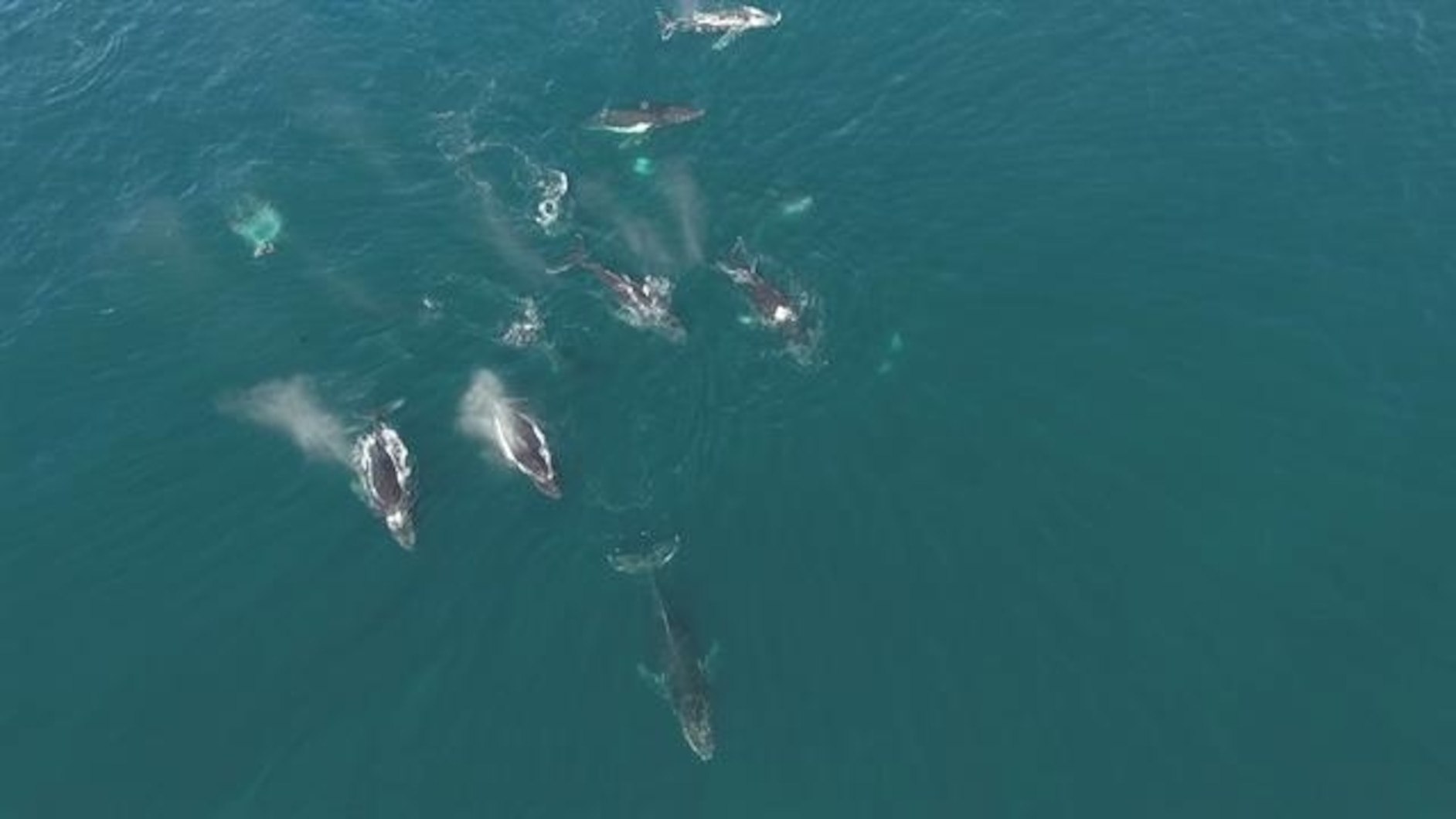


The oceans cover over 70% of the planet, yet remain largely unexplored by most people.
Drone tourism opens new possibilities:
- Fly alongside migrating whales
- Hover above coral reefs
- Track storms from a safe vantage point
- Experience the scale and isolation of the open sea
Economic Impact: A New Travel Industry
Drone tourism could become a multi-billion dollar sector, reshaping the travel economy:
- New Operators: Drone tour companies offering curated routes
- Subscription Experiences: “Fly the world” packages with rotating destinations
- Luxury Market Expansion: Premium aerial experiences for high-net-worth travelers
- Remote Region Monetization: Previously inaccessible locations become economic assets
Countries with challenging terrain—Peru, Iceland, Indonesia, Chile—stand to benefit significantly.
Environmental Implications: A Double-Edged Sword
Drone tourism could reduce environmental strain in some areas:
- Fewer footpaths and physical disturbances
- Reduced need for infrastructure in fragile ecosystems
However, it also introduces risks:
- Airspace congestion
- Wildlife disturbance
- Energy consumption at scale
Regulation and design will determine whether drone tourism becomes sustainable exploration or aerial overreach.
The Psychological Shift: From Adventure to Experience
Traditional travel often emphasizes effort, uncertainty, and discovery. Drone tourism shifts this toward:
- Comfort over hardship
- Precision over unpredictability
- Experience over exploration
This raises an interesting question:
If you can experience the summit without the climb—has travel changed fundamentally?
For many, the answer will be yes—and that’s exactly the point.
The Future: AI-Guided Exploration
The next phase goes beyond pre-programmed routes:
- AI companions narrating geography, history, and science in real time
- Personalized routes based on user preferences
- Integration with AR/VR overlays for enhanced immersion
- Swarm drone experiences for coordinated group travel
Eventually, drone tourism may evolve into fully autonomous exploration networks, where millions of individuals can “travel” simultaneously across the planet—without ever leaving their seats.
Closing Thought
Drone tourism is not just a new category of travel—it is a redefinition of access.
It collapses the barriers between humans and the most extreme environments on Earth, turning the inaccessible into the routine.
The mountains, the volcanoes, the oceans—once reserved for the few—are becoming experiences for the many.
And the journey?
It begins not with a backpack… but with a boarding pod.